What Is the Premium Editor? A Clear Breakdown of Features and Use Cases
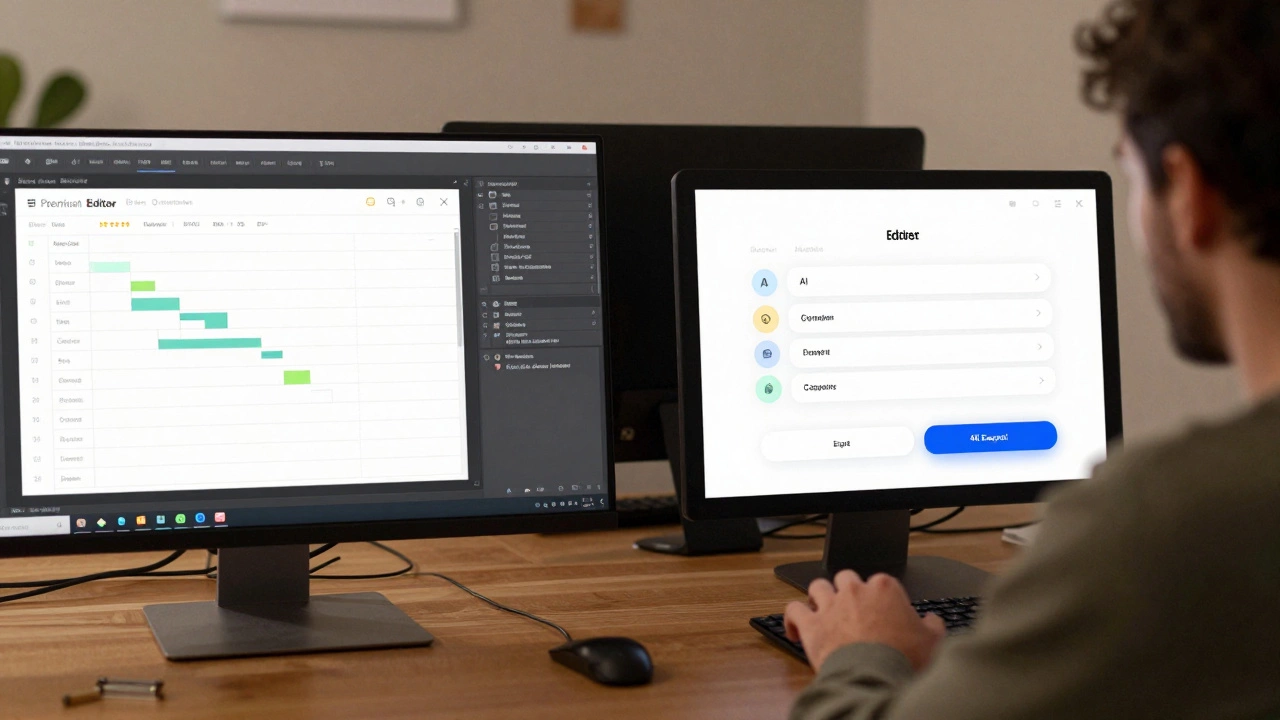
The term Premium Editor isn’t tied to one specific product-it’s a label used across software, content platforms, and creative tools to describe an upgraded version with advanced features. If you’ve seen it advertised on a writing app, video editor, or design suite, it usually means you’re getting more control, fewer limits, and tools meant for serious users. But what does that actually look like in practice? And is it worth paying extra?
Some people search for london escort girl reviews when they’re looking for local services, but others are trying to understand what "premium" really means in digital tools. The word gets thrown around a lot. A Premium Editor might unlock custom templates, remove watermarks, give you cloud storage, or let you export in 4K. It’s not magic-it’s just the difference between using a basic tool and one built for daily, professional work.
What Makes an Editor "Premium"?
A regular editor lets you do the basics: type, format, save. A Premium Editor adds layers that matter when you’re working under pressure or need polished results. Think of it like upgrading from a bicycle to an electric bike. You can still get from point A to point B, but one gets you there faster, with less effort, and with more options along the way.
Common upgrades in a Premium Editor include:
- Unlimited exports or downloads
- Advanced collaboration tools (real-time editing, version history, comment threads)
- AI-powered suggestions (grammar, tone, structure, even image suggestions)
- Custom branding (logos, fonts, color schemes you can save and reuse)
- Priority customer support
- Offline access without restrictions
These aren’t gimmicks. They’re features that save hours over time. For example, a freelance writer using a Premium Editor might cut their editing time by 40% because the tool automatically flags repetitive phrasing or suggests stronger transitions. That’s not a luxury-it’s a productivity multiplier.
Who Actually Uses a Premium Editor?
You don’t need to be a pro to benefit, but you do need to be consistent. Students writing long papers, bloggers publishing weekly, marketers creating campaign copy, and small business owners managing their own websites all see real gains.
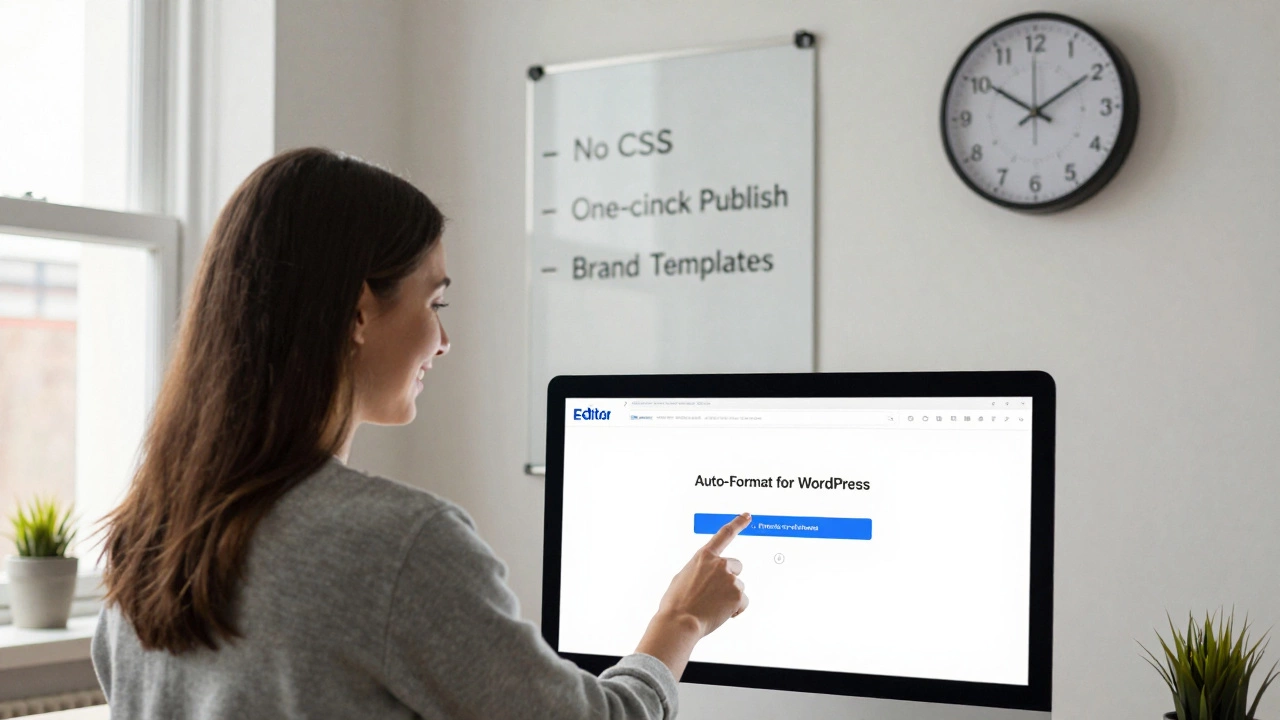
One user, a small business owner in Manchester, switched from a free text editor to a Premium Editor after spending 12 hours a week formatting blog posts. Within two months, she was down to 5 hours. Why? The Premium version had a one-click layout tool that auto-formatted her posts for WordPress. She didn’t have to learn CSS or HTML. She just clicked, previewed, and published.
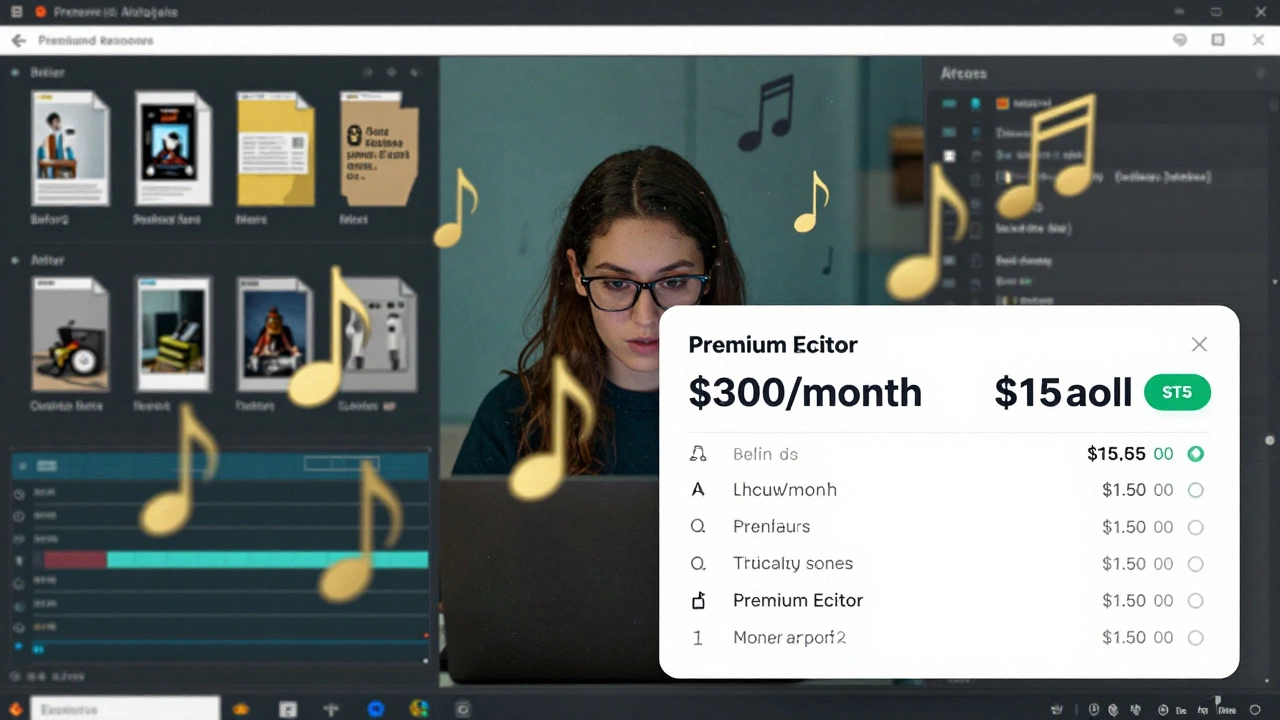
Another example: a video editor in Berlin upgraded to a Premium version of her software and gained access to a library of royalty-free music and motion graphics. That saved her $300 a month in stock asset fees. The upgrade cost $15/month. She’s been subscribed for a year.
These aren’t outliers. They’re everyday users who realized that paying more upfront saves money and time over the long run.
How to Tell If a Premium Editor Is Right for You
Not everyone needs a Premium Editor. Here’s how to decide:
- Do you use the tool more than 3 times a week?
- Do you ever feel frustrated by limits-like file size caps, export restrictions, or missing features?
- Do you hand off your work to others (clients, editors, designers)?
- Have you ever lost time fixing formatting issues manually?
If you answered "yes" to two or more, a Premium Editor is likely worth testing. Most offer free trials-use them. Try doing a real project with the Premium version. Don’t just click around. Actually write, edit, and export something you’d normally share with someone else.
If the workflow feels smoother, faster, or less stressful, you’ve already gotten your money’s worth.
Common Misconceptions About Premium Editors
There are a few myths floating around:
- Myth: Premium means "better design." Truth: Design is often the same. It’s the backend features that improve.
- Myth: You need to be tech-savvy. Truth: Many Premium Editors are built for non-technical users. The best ones hide complexity behind simple buttons.
- Myth: It’s only for businesses. Truth: Students, hobbyists, and side-hustlers benefit just as much-if not more-because they have tighter budgets and less time.
One of the biggest mistakes people make is waiting until they "need" a Premium Editor. By then, they’ve already wasted hours on workarounds. The smart move is to try it before you hit a wall.
What to Watch Out For
Not all Premium Editors are created equal. Some charge a lot for minor upgrades. Others lock essential features behind paywalls. Here’s what to check before you buy:
- Does the free version have a usable feature set? If it’s too limited, the Premium version might just be a workaround for a bad base product.
- Is there a monthly or annual plan? Annual often saves 20-40%.
- Can you cancel anytime? Avoid services that lock you in for a year with no refund.
- Are updates included? Some companies charge extra for new features after purchase.
Also, check reviews-not the ones on the company’s website, but on third-party sites like Trustpilot or Reddit. Look for patterns. If multiple users complain about slow support or hidden fees, walk away.
Alternatives to Premium Editors
You don’t always need to pay. Some free tools have strong community plugins or open-source alternatives. For example:
- Instead of a Premium writing editor, try Grammarly Free + Notion.
- For video, DaVinci Resolve offers professional-grade editing with no subscription.
- For design, Canva Free handles most social media needs.
But here’s the catch: free tools often require more manual work. You might spend 30 minutes formatting a document that a Premium Editor would do in 3. That’s time you could spend earning money, resting, or doing something you enjoy.
It’s not about being rich. It’s about valuing your time.
Final Thoughts: Is It Worth It?
Yes-if you use the tool regularly. No-if you only open it once a month.
A Premium Editor isn’t about having the fanciest interface. It’s about removing friction. It’s about not having to think about formatting, file limits, or missing features while you’re trying to focus on your message.
Think of it like buying a good pair of running shoes. You don’t need the most expensive ones. But if you’re out there every day, the right pair saves your knees and makes the whole experience better.
Try a free trial. Use it for a real project. Then decide. Don’t let marketing hype decide for you.
Some people search for escort girls in london when they’re looking for local services. Others are trying to figure out what makes a tool worth paying for. Both are valid searches. One is about immediate needs. The other is about long-term value. Don’t confuse the two.
And if you’re still unsure, ask yourself: "What’s the cost of not upgrading?" Chances are, it’s more than the price tag.
Finally, escort girls north london is a search term that reflects a different kind of local need. But whether you’re looking for a service or a software tool, the same principle applies: know what you’re paying for, and make sure it actually delivers.