Former EastEnders Star Charged in A$296m Meth Plot
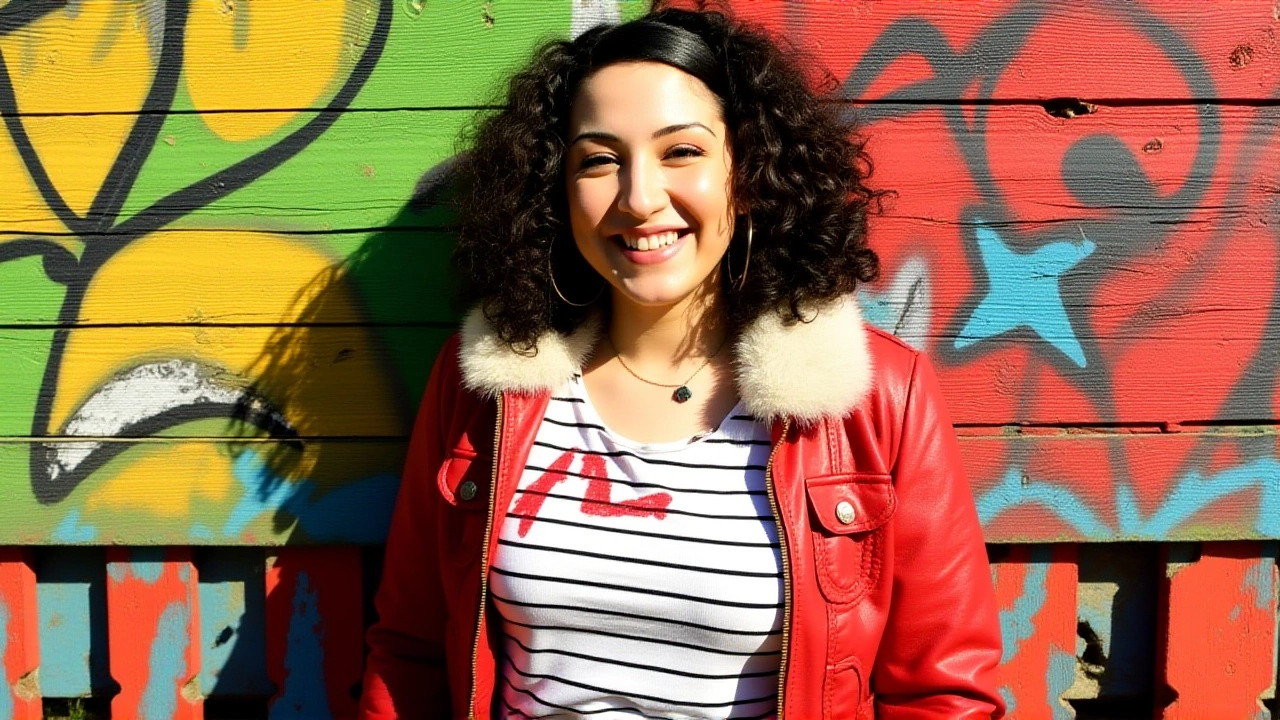
When Emaa Hussen, actress known for her role in an EastEnders spin-off, appeared before a Sydney court last week, the stakes were far higher than any script could write. The 34-year-old British national faces serious charges connected to an alleged attempt to import a commercial quantity of methamphetamine into Australia.
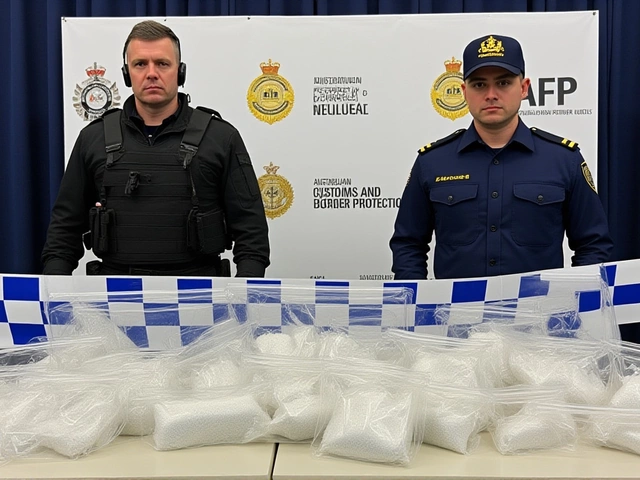
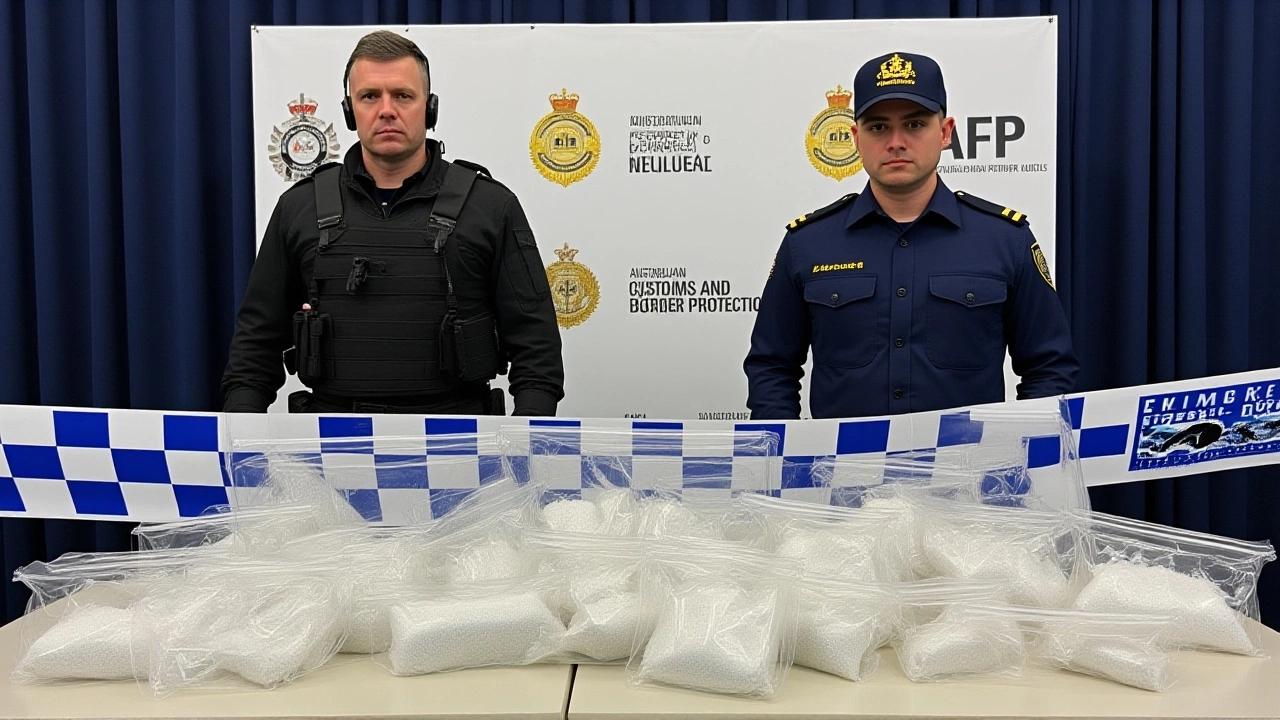
The interception happened at Port Botany, the massive freight hub serving Sydney, where border officials spotted irregularities in a shipment of charcoal bags arriving from Ghana. Inside those bags, authorities claim, was 320 kilograms of pure methamphetamine. If it had reached the streets, the potential value would have been staggering—estimated by Australian authorities at approximately A$296 million (roughly $194 million USD).
A Shocking Twist in Celebrity News
Here’s the thing: this isn’t your typical crime story. It involves a recognizable face from British television. While Hussen may not be a household name globally, her association with the long-running soap opera EastEnders gives this case immediate media traction. Outlets like The Telegraph and The Independent quickly picked up the story, framing it as a dramatic fall from grace for a "spin-off star."
But wait—let’s separate the celebrity gossip from the hard facts. The core issue here is a sophisticated smuggling operation. According to reports from Inspirepreneur Magazine and other sources, the drugs were concealed within legitimate cargo. This method—hiding narcotics inside everyday commodities like charcoal—is a common tactic used by international trafficking networks to bypass standard security checks. It requires coordination, logistics, and significant risk.
The Investigation Unfolds
The Australian Federal Police led the investigation that culminated in Hussen’s arrest. Their statement highlighted that the detection wasn’t accidental; border officials identified specific anomalies during cargo screening at Port Botany. Once the shipment was flagged, forensic analysis confirmed the presence of the illicit substance.
"The seizure highlights ongoing efforts to disrupt international trafficking networks targeting Australia," noted one report summarizing the AFP’s stance. This wasn’t just a random bust. It was part of a broader strategic push by Australian law enforcement to tighten borders against high-value drug imports. The sheer volume—320 kilograms—is enough to yield millions of individual street sales, posing a severe public health threat if it had entered the local market.
Legal Charges and Potential Penalties
The legal terminology matters here. Depending on the source, Hussen has been charged with either "attempting to possess a commercial quantity of a border-controlled drug" or "attempting to import a commercial quantity of methamphetamine." Under Australian law, both are incredibly serious offenses.
The maximum penalty for attempting to possess a commercial quantity of a border-controlled drug is life imprisonment. That’s right—life. Even though she hasn’t been convicted yet, the severity of the charge underscores how seriously Australian courts view large-scale drug importation. Hussen appeared in court on Thursday, June 18, 2026, but details regarding bail, plea, or legal representation remain scarce in early reports.
Why This Matters Beyond the Headlines
This case sends a clear message about Australia’s zero-tolerance approach to drug trafficking. With global supply chains becoming increasingly complex, criminals are finding new ways to exploit loopholes. Using charcoal shipments from West Africa (specifically Ghana) to move drugs into Oceania shows the geographic reach of these networks.
Moreover, the involvement of someone with a public profile adds a layer of scrutiny. It challenges the perception that such operations are solely run by anonymous criminal syndicates. Turns out, anyone can be drawn into—or choose to participate in—these dangerous enterprises. For fans of EastEnders, it’s a jarring reminder that real-life dramas often surpass fiction.

What Happens Next?
The judicial process will now take over. Hussen will likely face preliminary hearings where evidence is reviewed, and decisions on bail will be made. Given the gravity of the charges and the flight risk associated with international crimes, bail might be denied or set extremely high. We’ll need to watch for further developments from the New South Wales Supreme Court.
In the meantime, the focus remains on the integrity of Australia’s borders. The AFP’s success in intercepting this shipment is a win for national security, but it also serves as a warning. As long as there is profit to be made, traffickers will keep trying new methods. And sometimes, they succeed in grabbing headlines before they get caught.
Frequently Asked Questions
Who is Emaa Hussen?
Emaa Hussen is a 34-year-old British actress best known for her role in a spin-off series related to the popular UK soap opera EastEnders. She is currently facing serious drug importation charges in Australia.
What exactly was found in the shipment?
Authorities intercepted 320 kilograms of methamphetamine hidden inside bags of charcoal. The shipment originated in Ghana and arrived at Port Botany in Sydney, Australia.
How much was the methamphetamine worth?
Australian authorities estimate the street value of the seized drugs at approximately A$296 million (about $194 million USD). Other outlets have reported figures ranging from £150 million to £157 million depending on currency conversion rates.
What are the charges against her?
Hussen has been charged with attempting to possess or import a commercial quantity of a border-controlled drug (methamphetamine). This offense carries a maximum penalty of life imprisonment under Australian law.
Has she pleaded guilty or not guilty?
As of mid-June 2026, no public record indicates whether Hussen has entered a plea. She appeared before a Sydney court shortly after her arrest, but specific procedural outcomes like bail decisions or plea entries have not been widely detailed in initial reports.